How customized Thermage FLX treatment works
Thermage FLX uses monopolar radiofrequency energy to heat the dermis, the layer of skin that contains collagen. This heating causes collagen to contract and supports a gradual remodeling process. The treatment is intended to address skin firmness, texture, and fine lines rather than create a dramatic change in facial contours. At Ode Clinic, customization begins with an assessment of the patient’s skin and concerns, rather than a uniform treatment plan. The doctor can explain whether Thermage is appropriate for the result a patient hopes to achieve.
Understanding tightening and collagen remodeling
Collagen contributes to the structure and firmness of the skin. As skin changes over time, some patients notice that it feels less firm or that fine lines have become more apparent. Thermage delivers heat to the dermis to encourage collagen contraction and remodeling. These processes do not mean that every person will see the same degree of change. Skin condition, treatment planning, and individual response all matter when considering what the procedure can reasonably address.
The distinction between tightening and lifting is important when discussing treatment goals. Tightening focuses on the quality and firmness of the skin itself, while a patient concerned mainly about a pronounced change in facial position or contour may need a different discussion. Thermage is generally associated with subtle changes in the treated layers rather than a dramatic shift in facial shape. During consultation, it helps to describe what has changed, where the concern is most noticeable, and whether firmness, texture, fine lines, or sagging matters most to you. The doctor can then relate those priorities to what radiofrequency treatment is designed to do. A clear understanding of the intended outcome is part of an informed treatment decision.
Thermage FLX is a skin-tightening treatment, not a promise of dramatic contour change. The most useful starting point is to identify the concern and discuss how closely it matches the treatment’s purpose.
Why individual skin assessment matters
Two people who request the same procedure may have different skin conditions and priorities. One person may be concerned about a loss of firmness, while another may focus on texture or fine lines. At Ode Clinic, the doctor considers the patient’s skin and desired outcome during a direct consultation. This creates an opportunity to discuss the treatment area and the proposed approach before deciding whether to proceed.
Customization is more than selecting a treatment name. It involves discussing the patient’s concerns, assessing the skin, and considering how treatment should be planned for the areas involved. The doctor can also explain how the distribution of treatment and energy settings relate to the assessment. Patients should feel comfortable asking why a particular approach is being recommended and what it is intended to address. Ode Clinic emphasizes attentive communication and personalized care rather than applying the same plan to everyone. Personalized planning does not guarantee a particular result; it helps align the procedure with the patient’s needs and the doctor’s assessment.
Setting realistic expectations
Thermage is intended for people seeking improvement in skin firmness and texture, but suitability depends on an individual assessment. The treatment may be worth discussing if your concern is gradual loss of firmness or the appearance of fine lines. If your main goal is a substantial change in facial contours, explain that during consultation. The doctor can clarify the distinction between tightening and other approaches before a treatment decision is made.
Changes from collagen remodeling develop gradually and may continue over approximately six months. The timing and degree of visible change depend on the individual, so it is useful to discuss both the expected timeline and the limits of treatment in advance. Ode Clinic also considers the patient’s priorities, timing, cost, and potential side effects when discussing recommendations.
| Discussion point | What to consider |
|---|---|
| Primary concern | Firmness, texture, fine lines, or sagging |
| Treatment goal | Subtle skin tightening rather than a dramatic contour change |
| Expected timing | Gradual changes as collagen remodeling develops |
| Assessment | Skin condition and individual treatment priorities |
It can be helpful to bring specific questions to the consultation rather than relying on a treatment name alone. Ask which concern Thermage is intended to address, how the doctor plans to assess progress, and whether the expected changes fit your goals. If you have had previous aesthetic treatments, share that history as well. This gives the doctor context for discussing the current condition of your skin and planning care.
Planning customized Thermage FLX treatment at Ode Clinic
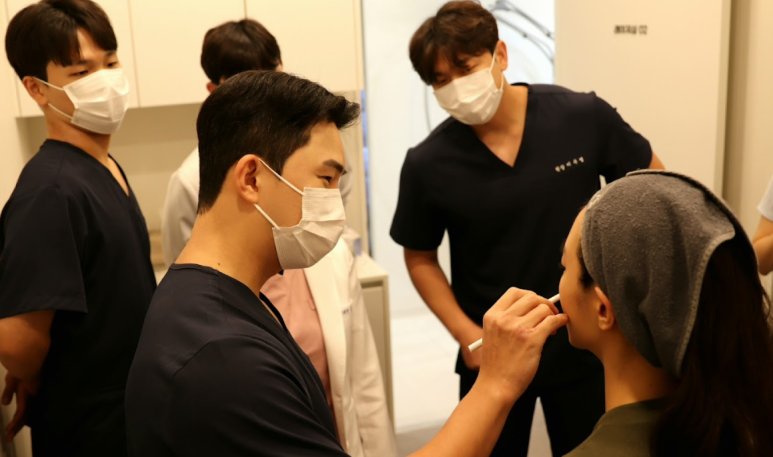
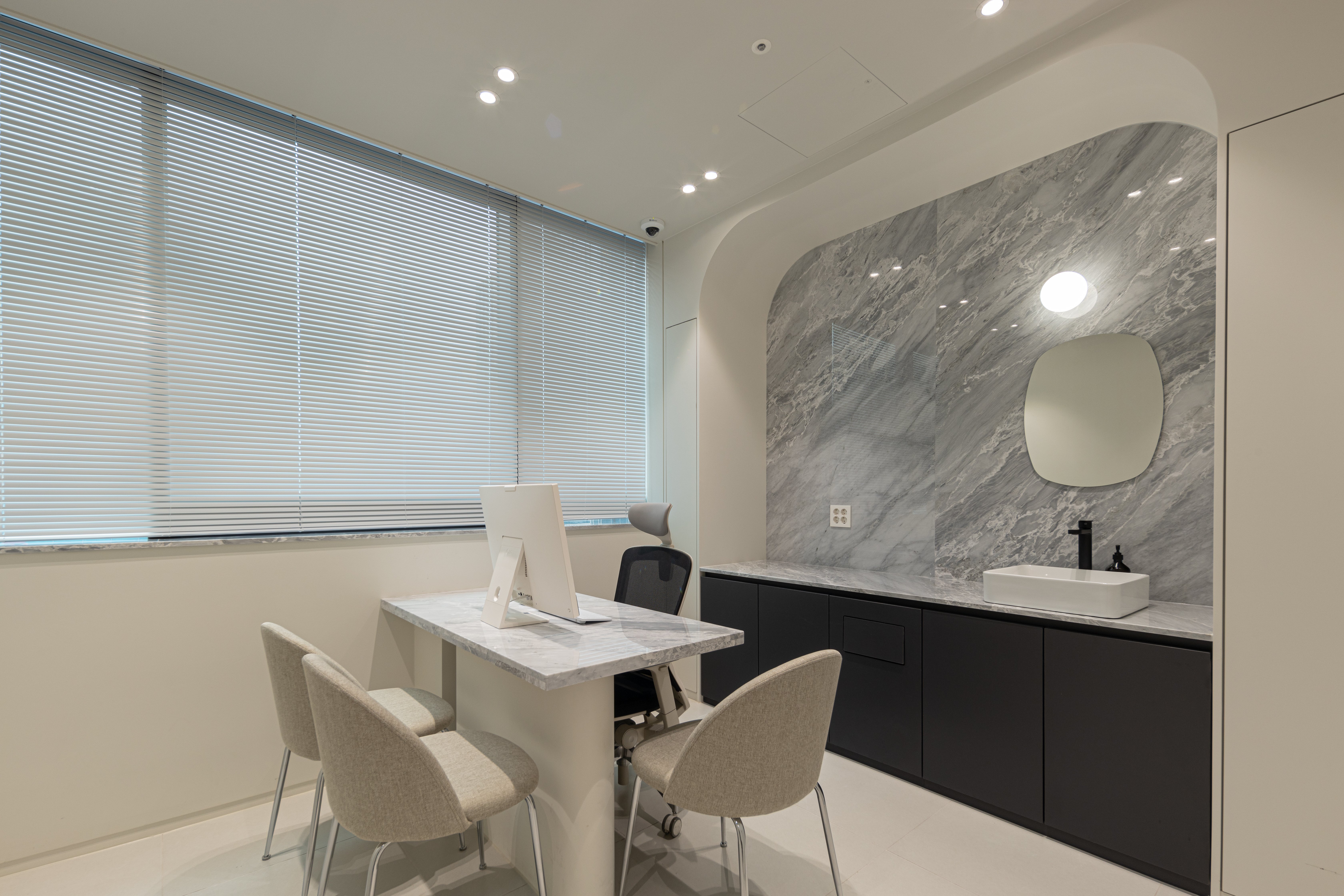
The process at Ode Clinic begins with a one-on-one consultation with the doctor who performs the procedure. The conversation covers the patient’s concerns and skin condition, followed by a discussion of the proposed treatment plan. Consultation and treatment take place in a private room. The purpose of this process is to make the reasoning behind the plan clear before treatment begins. Patients can use the consultation to ask about treatment areas, comfort, expected changes, and follow-up.
What happens during consultation
The doctor discusses the areas you would like to address and assesses your skin before recommending a course of treatment. This is the time to explain what you hope will change and how noticeable you expect that change to be. A direct consultation also allows the doctor to explain whether a tightening treatment matches your priorities. If you are uncertain, describe the concern in ordinary terms rather than trying to choose a procedure on your own.
Useful details include when you first noticed a change, which areas concern you most, and whether your priority is firmness, texture, fine lines, or facial sagging. Tell the doctor about relevant medical history, previous procedures, medications, and any concerns about discomfort. The doctor can use that information alongside the skin assessment when discussing suitability and precautions. It is also reasonable to ask how the proposed plan differs from a standard approach and why certain areas are being considered. Ode Clinic’s care philosophy emphasizes listening to patient feedback and maintaining consistent attention before and after a procedure. A consultation should leave you with a clear understanding of the proposed treatment and enough opportunity to ask questions before making a decision.
A personalized plan starts with a direct conversation and an assessment of the skin. Ask what each part of the plan is meant to address, and make sure the expected change matches your priorities.
Preparing for the appointment
Before your visit, make a short list of your concerns and the questions you want to discuss. Include any previous treatments and relevant health information so you can review them with the doctor. If you are unsure whether a medication or skin condition is relevant, mention it rather than making assumptions. The doctor can explain any preparation or precautions appropriate to your circumstances.
Consider practical questions as well as clinical ones. You may want to ask how the treatment area will be selected, what the procedure feels like, and how the clinic assesses changes afterward. If you are comparing treatment plans, ask about the proposed number of treatment pulses and how those pulses will be distributed. The same number alone does not describe the full plan: the areas treated and the settings used are also part of the discussion. Ask for an explanation of costs before agreeing to treatment. Informed consent depends on understanding the proposed procedure, its potential benefits, and its risks. There is no need to decide on a particular approach before the doctor has assessed your skin.
Comfort and treatment planning
Radiofrequency treatment can cause discomfort, so discuss your comfort concerns before the procedure. Ode Clinic offers an inhaled nitrous oxide sedation option for Thermage. The doctor can explain whether that option is appropriate for you and what it involves. Tell the medical staff about relevant health conditions and any previous experience with sedation or anesthesia so that comfort measures can be discussed safely.
The treatment plan also takes account of the areas being addressed and the patient’s skin condition. Ask the doctor how the procedure will be carried out and what sensations to report during treatment. Open communication matters: if you feel uncomfortable or have a question, let the medical staff know rather than waiting until the appointment is over.
Ode Clinic uses genuine products and emphasizes precise quantities in its treatment approach. For Thermage, you can ask the doctor to explain the planned treatment pulses and how the plan relates to your concerns. The aim is not simply to select a number, but to understand how the treatment is being tailored and what outcome can reasonably be expected.
What to expect after customized Thermage FLX treatment
After Thermage, changes associated with collagen remodeling develop gradually rather than all at once. Ode Clinic offers follow-up consultations and diagnostic photographs to help patients review changes over time. Results differ between individuals, and photographs can provide a more useful point of comparison than memory alone. Before leaving, ask the medical staff about care instructions, when to seek advice, and how follow-up will be arranged for your treatment.
Tracking changes over time
The Thermage FLX treatment process is associated with gradual changes over approximately six months. Some patients may notice changes sooner, while the extent and timing of visible improvement vary. Rather than judging the outcome immediately, discuss the expected course with the doctor and decide how progress will be reviewed. The goal is to assess changes in firmness, texture, or fine lines against the concerns identified at consultation.
Ode Clinic uses diagnostic photographs for before-and-after comparison and offers follow-up consultations. These records can help make a gradual change easier to evaluate, particularly when the original concern involved skin quality rather than a pronounced contour change. During a follow-up, describe both what you have noticed and what has not changed as expected. The doctor can review your concerns alongside the images and discuss whether the outcome aligns with the original plan. Individual results and the duration of any visible changes can vary. A follow-up is also an opportunity to ask about future care rather than assuming that a repeat procedure is needed.
Changes may take time, so a useful assessment compares the skin with its condition before treatment. Follow-up photographs and a conversation with the doctor can help put those changes in context.
Points to consider before and after treatment
As with other heat-based procedures, Thermage can involve discomfort and unwanted skin reactions. Redness, swelling, or a sensation of heat can occur; burns or blistering are also possible. The doctor can explain the relevant risks and precautions before treatment. Tell the medical staff about symptoms that concern you, particularly if they are severe or persist, and follow the individualized instructions given after your procedure.
Before treatment, discuss any health conditions, medications, or previous reactions that could be relevant to your care. Do not assume that a procedure is suitable simply because it addresses a concern you recognize. The doctor’s assessment should include both your goals and any factors that may affect treatment planning. Afterward, ask which changes are expected and which symptoms should prompt you to contact the clinic. If you are considering another procedure, discuss timing with the doctor rather than arranging it independently. Ode Clinic’s approach includes attention before and after treatment, with recommendations informed by the patient’s needs and potential side effects. Clear communication is useful at every stage, from the initial consultation to the review of results.
Discussing future care
Ode Clinic describes an annual treatment cycle for Thermage, but a schedule should be discussed in light of your skin condition, goals, and response. An annual cycle is not a requirement or a promise that results will last for a set period. At follow-up, the doctor can review the changes with you and discuss whether further treatment is appropriate.
If your concerns change over time, explain that during a future consultation. Skin firmness, texture, volume, and sagging are different concerns, and the same treatment does not address each one in the same way. A fresh assessment can help determine which concern matters most to you and whether Thermage remains aligned with your goals.
Before booking, prepare the questions that matter to your decision: who will conduct the consultation, how the treatment plan is individualized, what comfort options are available, and how progress is assessed. At Ode Clinic, the treating doctor consults directly with the patient, and care is planned around individual skin conditions. These details provide a practical starting point for a considered conversation about treatment.



Frequently Asked Questions
Q.What does Ode Clinic offer for skin tightening?
A.Ode Clinic offers Thermage FLX, a radiofrequency treatment intended to improve skin firmness and texture. The treating doctor conducts a one-on-one consultation and plans care around the patient’s skin condition and goals.
Q.Who might consider Thermage FLX?
A.People concerned about skin firmness, texture, or fine lines may wish to discuss it with the doctor. Suitability depends on an individual assessment and the result the patient hopes to achieve.
Q.How is Thermage FLX planned at Ode Clinic?
A.The treating doctor assesses the skin and discusses the patient’s concerns before proposing a treatment plan. Consultation and treatment take place in a private room.
Q.How long does it take to see changes?
A.Changes associated with collagen remodeling develop gradually over approximately six months. The timing and degree of visible change vary by individual.
Q.Where is Ode Clinic, and how can I arrange a consultation?
A.Ode Clinic is at 340 Gangnam-daero, 8F, Gangnam District, Seoul. To discuss a consultation, call +82 2-569-0222.
Clinic Information
| Clinic | Ode Clinic |
|---|---|
| Specialty | Dermatology |
| Address | Seoul, Gangnam District, Gangnam-daero, 340 8F |
| Phone | +82 2-569-0222 |
| Website | https://odeclinicseoul.com/en |
 Ode Clinic