Why customized treatment planning matters
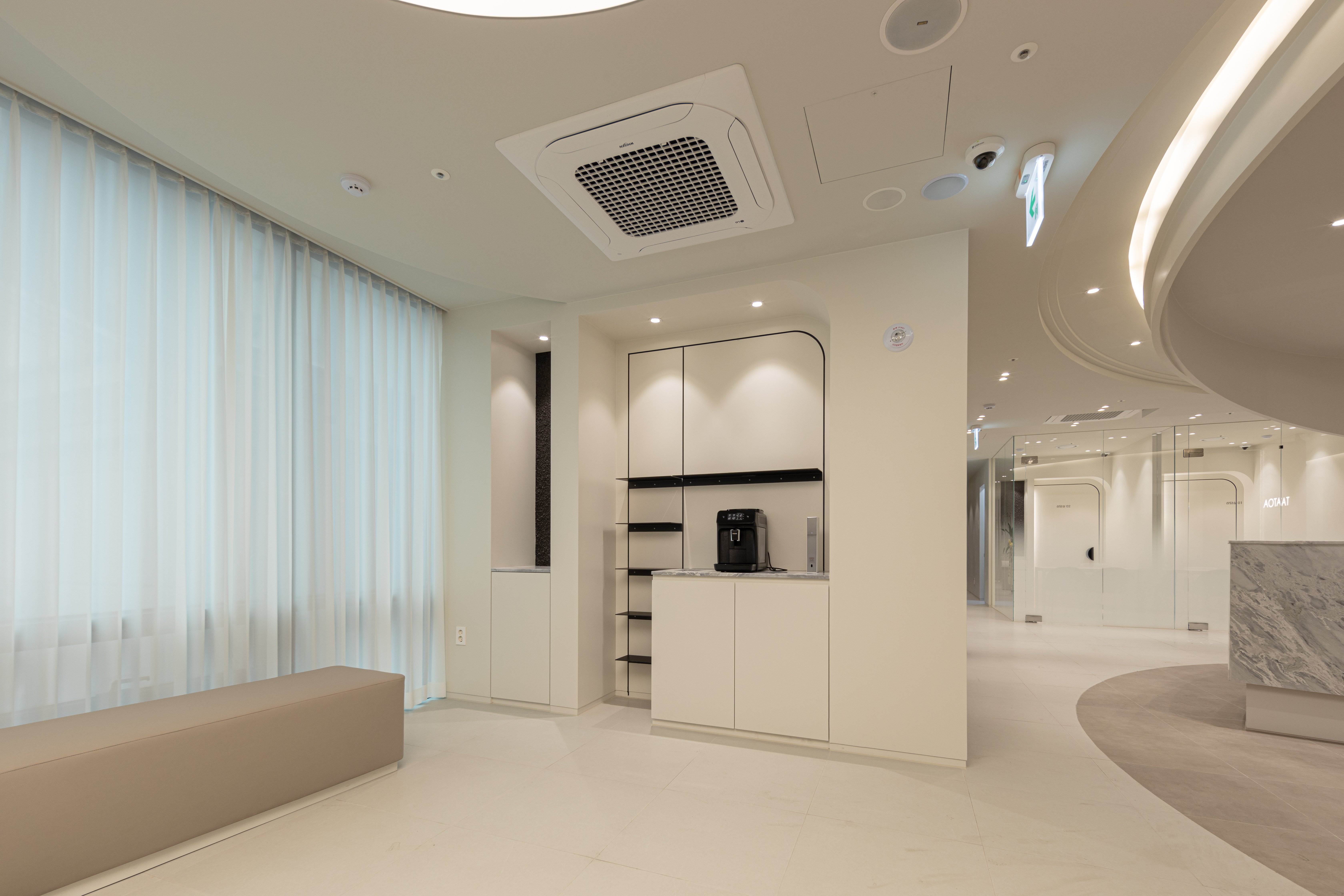
Skin concerns rarely fit into a single category. A patient may notice changes in firmness, facial volume, and texture at the same time, but each concern calls for a different discussion. Customized treatment planning starts by identifying what matters to the patient and assessing which approach is appropriate for their condition. At Ode Clinic, the medical director consults with patients directly to develop a plan. The discussion can include expected timing, potential side effects, cost, and the patient’s preferences before a procedure is selected.
Start with the concern, not the device
It is natural to arrive with a treatment in mind, particularly after reading about a device or injectable. The more useful starting point, however, is the change you want to address. Sagging around the lower face, reduced skin firmness, and a loss of facial volume can look related, yet they are not necessarily addressed in the same way. A consultation helps distinguish these concerns and gives the doctor an opportunity to explain which treatment categories may be relevant.
For example, a patient concerned about loose skin may benefit from a discussion of lifting and tightening, while someone focused on hollowness may want to explore volume treatments. A skin booster may enter the conversation when texture, fine lines, or hydration are priorities. These are starting points for assessment, not automatic treatment recommendations. The location of the concern, the condition of the skin, and the patient’s medical history all matter when deciding whether a procedure is suitable. The name of a treatment is less important than the reason for choosing it. During consultation, describe what you see, how long it has concerned you, and whether you prefer a gradual approach or have a particular schedule in mind. The doctor can then explain the options and help set expectations for what each is intended to address.
A useful plan begins with a clear assessment rather than a predetermined procedure. When the goal is specific, it is easier to discuss the benefits, limitations, and practical considerations of each option.
Consider the whole treatment decision
A treatment decision involves more than the area being treated. Patients may differ in their tolerance for discomfort, available recovery time, budget, and expectations about when changes may become noticeable. Ode Clinic considers these factors alongside the patient’s needs, the expected duration of effects, and potential side effects. A procedure should be selected through discussion, not assumed to be suitable because it worked for someone else.
It can help to explain your priorities in order. For one patient, addressing a specific area may be the main goal; for another, avoiding an interruption to work or social plans may be just as important. Ask the doctor how the proposed treatment relates to your concern, whether more than one session is recommended, and what the expected course of change might be. Also ask about alternatives and whether it makes sense to address one concern before another. The answers provide a basis for deciding together rather than comparing treatments by name alone. If you have had previous procedures, describe them during the consultation, including any reactions or concerns about the outcome. That information gives the medical staff context for the discussion and helps them consider what needs further assessment before treatment.
Set expectations before proceeding
Different procedures work in different ways, and their effects do not necessarily appear on the same schedule. Some treatments are intended to address volume, while others focus on lifting, firmness, or skin quality. Changes may take time depending on the individual condition and the procedure selected. Asking what a treatment can reasonably address is as important as asking when you might notice a change.
Ode Clinic uses diagnostic photographs for before-and-after comparisons and discusses changes during follow-up consultations. Images can help provide a consistent reference, but they do not guarantee a particular outcome. Patients can also explain what they consider meaningful improvement so the doctor understands their priorities. A clear plan should leave room for questions and for reassessment when needed.
Before agreeing to treatment, make sure you understand the intended treatment area, the proposed procedure, and the care instructions that apply afterward. Ask about potential side effects and what to do if an unexpected symptom occurs. Individual results can differ, so the discussion should focus on a realistic plan for your circumstances rather than a promised result. If anything remains unclear, the follow-up consultation is an opportunity to revisit it.
How customized treatment planning compares options
Ode Clinic offers treatments across volume, lifting and tightening, skin boosters, anti-aging, and body programs. These categories address different concerns and use different methods. The aim of comparing them is not to find one procedure that suits everyone, but to understand which approach fits the patient’s assessment and goals. The medical director can explain how an option is intended to work, whether it is appropriate for the area being considered, and what practical points to weigh before proceeding.
Lifting and tightening
Lifting and tightening are related but distinct treatment goals. Ultherapy Prime uses focused ultrasound and may be considered when lifting is the main concern. Thermage FLX uses radiofrequency energy and focuses on skin tightening. Ode Clinic also offers XERF and Density Alpha among its lifting and tightening options. The choice depends on the area, the patient’s skin and facial structure, and the result being sought.
Someone concerned primarily about sagging may need a different discussion from someone whose priority is skin firmness or texture. During assessment, the doctor can consider the distribution of facial volume as well as the location and degree of the concern. This matters because treating every area in the same way would not account for differences in anatomy. A patient may also have more than one priority, but a combination of procedures should not be assumed to be necessary. Ask what each proposed treatment contributes, how the doctor would approach the area, and whether the procedures should be performed in a particular sequence. For Thermage, changes may develop gradually as collagen remodeling takes place. The doctor can explain the anticipated course for the recommended treatment and discuss discomfort, potential reactions, and aftercare before a decision is made.
Lifting and tightening treatments have different intended roles, even when patients describe their concerns in similar terms. A comparison based on the treatment goal and the patient’s anatomy is more useful than choosing by device name alone.
Volume and skin quality
Volume treatments and skin boosters also serve different purposes. Filler can be discussed when a patient wants to address a particular area of volume loss. Juvelook Volume is another option in the volume category. For skin quality concerns, Ode Clinic offers skin boosters including Re2O and Juvelook Skin. Juvelook Skin and Juvelook Volume are distinct treatments, so it is important to ask which one is being recommended and why.
The treatment area and the desired change help guide this conversation. A patient who notices hollowness may be considering volume, while someone concerned about texture or fine lines may want to discuss a skin booster. Re2O is used as a skin booster, with injection approaches selected according to the concern being addressed. Filler planning similarly depends on the area and the patient’s individual assessment. Before an injectable procedure, tell the doctor about prior treatments, relevant medical conditions, medications, and any past reactions. Ask what product is proposed, where it will be placed, and what care is recommended afterward. The doctor should also explain potential complications and when to seek help. These questions make it easier to understand the plan without assuming that every injectable addresses the same concern or produces the same kind of change.
Body programs and treatment priorities
A customized plan can also address concerns outside the face. Ode Clinic offers Body ONDA as part of its body program. The treatment uses microwave energy and is designed for areas such as the upper arms, abdomen, and thighs. The suitability of a body procedure depends on the area being assessed and the patient’s goals, so a consultation remains important even when the treatment name appears to match the concern.
When discussing a body treatment, identify the area that matters most and ask what the procedure is intended to address. It is also reasonable to ask about the proposed treatment schedule and how progress will be reviewed. The doctor can explain whether the option fits your circumstances and discuss potential reactions and post-treatment care. A clear understanding of the procedure is more useful than assuming it will address every concern in the area.
| Treatment category | Examples offered at Ode Clinic | Discussion focus |
|---|---|---|
| Lifting and tightening | Ultherapy Prime, Thermage FLX, XERF, Density Alpha | Sagging, firmness, and the area to be treated |
| Volume | Filler, Juvelook Volume | Areas of volume loss and the intended change |
| Skin boosters | Re2O, Juvelook Skin | Skin quality, texture, and fine lines |
| Body program | Body ONDA | The body area and the patient’s treatment goals |
The table is a starting point for a consultation, not a guide to selecting a procedure independently. Treatments within a category can differ in their method, expected course, and suitability. Equally, a concern may call for a discussion across categories rather than a single predetermined choice. Ask the doctor to explain the reasoning behind any recommendation, including the expected timing of changes, potential side effects, and the care plan after treatment.
What to expect from customized treatment planning at Ode Clinic
Ode Clinic’s care process moves from consultation and treatment design to a follow-up discussion, a private-room procedure, and personalized care afterward. This structure gives patients an opportunity to clarify their goals before the plan is finalized. The consultation is also the time to share medical history and ask about the benefits and risks of the proposed procedure. The final plan depends on the individual assessment and the discussion with the medical director.
Consultation and treatment design
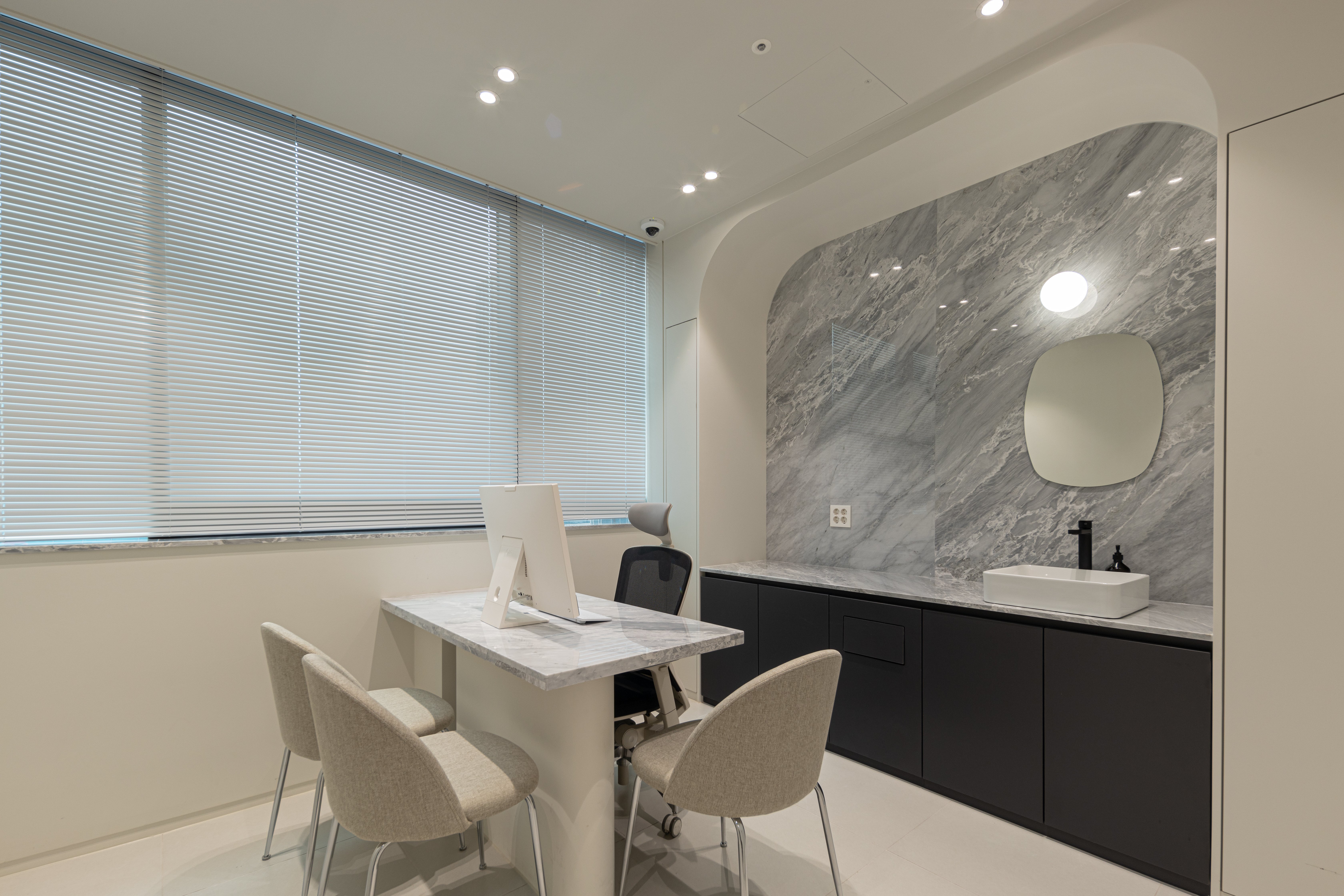
After arrival, patients have a one-on-one consultation with the medical director to discuss concerns and design a treatment plan. A further consultation follows to review and finalize the plan in detail. This is a useful opportunity to explain which changes concern you most and to ask how each proposed treatment relates to those concerns. You can also discuss your preferences about timing, recovery, and the scope of treatment.
Preparation can make the conversation more productive. Bring a list of relevant medications, allergies, medical conditions, and previous skin or cosmetic procedures. If you know the names of earlier treatments or products, share them with the doctor; if you do not, describe what was done and any reaction you experienced. Mention whether you are pregnant, breastfeeding, or managing an active skin concern so the medical staff can assess what needs consideration. You do not need to choose a procedure before the visit. Instead, prepare questions about the proposed options, the expected course of change, possible side effects, and the instructions that apply before and after treatment. Ask for clarification if a recommendation is unfamiliar. A follow-up discussion gives you time to check that the plan reflects your priorities and that you understand what will happen next.
A direct consultation gives patients and the doctor time to connect the treatment choice with the patient’s actual concerns. The follow-up discussion is an opportunity to clarify the plan before proceeding.
Points to consider before treatment
Every procedure has considerations that should be reviewed individually. Depending on the treatment, these may include discomfort, temporary redness or swelling, and less common complications. Injectable and energy-based treatments do not have identical risk profiles. The doctor can explain the risks relevant to the proposed procedure, any precautions related to your health history, and the signs that should prompt you to contact the clinic.
It is also helpful to discuss practical details before the appointment is finalized. Ask how the procedure will be performed, whether any preparation is needed, and what activities or products you should avoid afterward. If you have an upcoming event or travel plans, tell the doctor so timing and post-procedure care can be considered. Discuss the total cost of the proposed plan and what it includes before agreeing to treatment. If more than one procedure or session is being considered, ask how each contributes to your goals and whether the plan can be reviewed in stages. Do not omit a health concern because it seems unrelated to your skin. The medical staff can determine whether the information affects the recommendation. If questions remain after the discussion, take time to have them answered before proceeding.
Private treatment and follow-up care
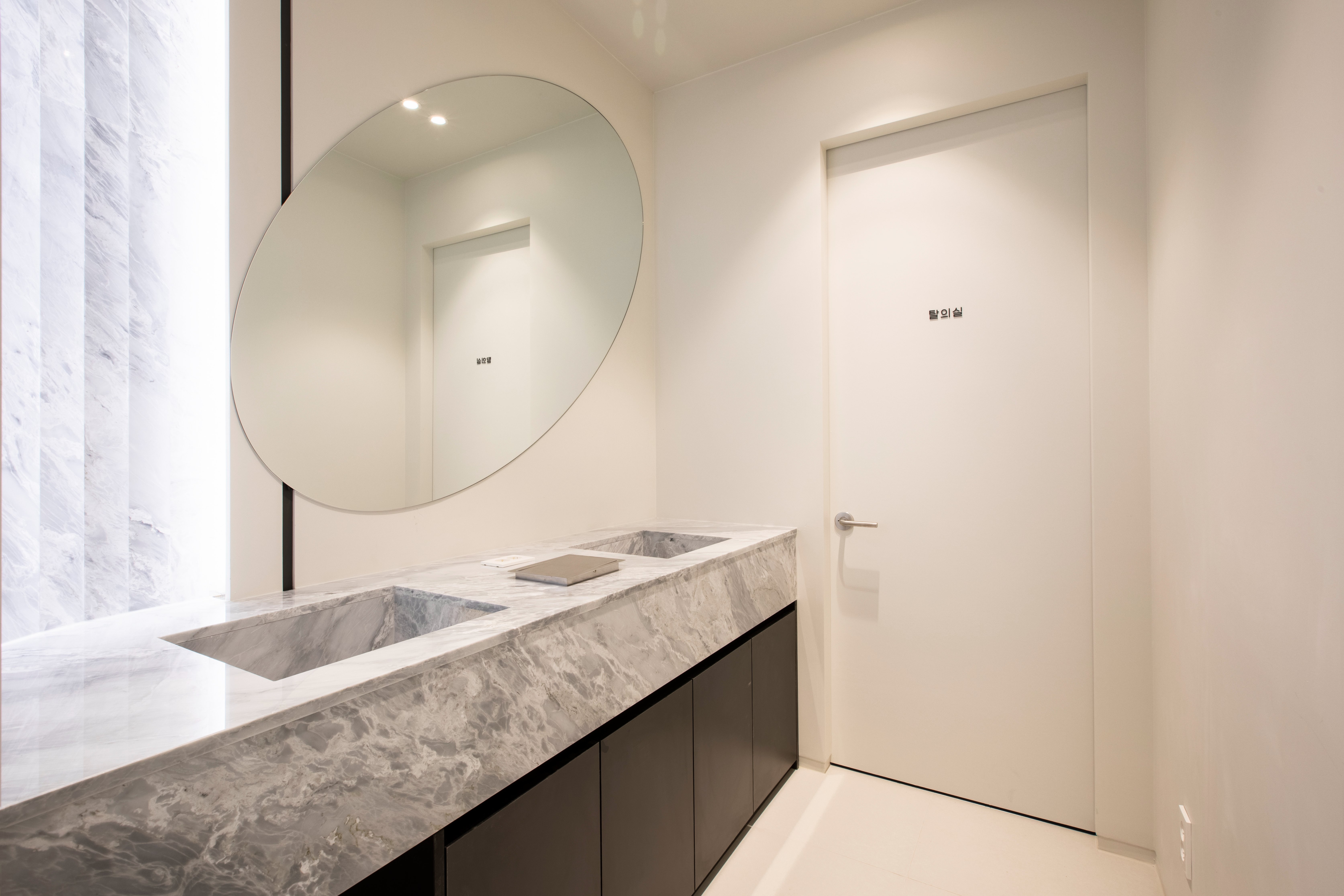
Procedures at Ode Clinic are conducted in a private, single-person room. After treatment, the care process includes personalized post-procedure management before departure. The instructions you receive will depend on the procedure and your condition. Before leaving, make sure you understand how to care for the treated area and whom to contact if you have a concern.
Follow-up is an opportunity to discuss the course of your recovery and review any changes. Ode Clinic uses diagnostic photographs for before-and-after comparison, which can support that conversation. If your priorities change, or if you are considering another procedure, explain this to the doctor rather than assuming the original plan must remain unchanged. Further recommendations should be based on a fresh discussion of your condition and goals.
Customized care is a process rather than a fixed list of procedures. It begins with an assessment, continues through a clear explanation of the proposed treatment, and includes attention to aftercare. Whether your concern involves facial firmness, volume, skin quality, or a body area, the practical next step is to discuss it directly with the medical staff. Bring your questions, describe your priorities, and use the consultation to decide what is appropriate for you.



Frequently Asked Questions
Q.What does Ode Clinic offer?
A.Ode Clinic provides dermatology care focused on treatments for volume, lifting and tightening, skin quality, anti-aging, and body concerns. Care begins with a direct consultation with the medical director.
Q.Who might consider a consultation at Ode Clinic?
A.A consultation may be useful for someone concerned about skin firmness, facial volume, texture, or a body area. The doctor assesses the concern and discusses appropriate options with the patient.
Q.What treatments can I discuss at Ode Clinic?
A.Options include Ultherapy Prime, Thermage FLX, XERF, Re2O, filler, and Body ONDA. The recommendation depends on your goals and individual assessment.
Q.What should I prepare before my consultation?
A.Be ready to discuss your concerns, relevant medical conditions, medications, allergies, and previous procedures. Bring any questions about the proposed treatment, potential side effects, and aftercare.
Q.Where is Ode Clinic, and how can I contact the clinic?
A.Ode Clinic is at 8F, Gyeongwon Building, 340 Gangnam-daero, Gangnam-gu, Seoul, Korea. You can call +82 2-569-0222 to ask about a consultation.
Clinic Information
| Clinic | Ode Clinic |
|---|---|
| Specialty | Dermatology |
| Address | Seoul, Gangnam District, Gangnam-daero, 340 8F |
| Phone | +82 2-569-0222 |
| Website | https://odeclinicseoul.com/en |
 Ode Clinic