Subtle Facial Rejuvenation Seoul: Choosing Your Approach
Facial rejuvenation is not a single procedure. It can involve restoring volume, addressing laxity, or improving the appearance of skin texture and hydration. The appropriate approach depends on which changes matter to you and how you want your face to look after treatment. A subtle result begins with a clear treatment goal, not a predetermined procedure. At Ode Clinic, the treating doctor conducts a one-on-one consultation to assess your concerns and discuss options suited to your skin and facial features.
Identify the change you want to address
Look at the area that concerns you and consider whether the main issue is a hollow, a change in contour, or the skin’s surface. A hollow cheek, for example, is a different concern from loose skin along the jawline. Dryness and fine texture changes call for another discussion altogether. Describing the change in your own words helps the doctor assess it without assuming that one treatment will address every concern.
It also helps to explain what subtle means to you. You might want to soften a hollow while keeping your familiar facial proportions, or improve skin texture without adding visible volume. Bring up areas you do not want to change as well as those you would like to address. The doctor can then consider skin condition, facial volume, and the degree of laxity together. During consultation, ask what a proposed treatment is intended to do, when changes may become noticeable, and whether more than one visit is likely to be recommended. These questions make it easier to compare an injectable treatment with a device-based procedure without treating them as interchangeable.
Volume, laxity, and skin texture are related concerns, but they do not call for the same treatment in every case. A useful consultation starts by identifying which change matters most and what degree of change feels comfortable to you.
Understand volume, lifting, and tightening
Volume treatments are intended to address areas that appear hollow or less full. Depending on the product, they may provide volume directly or support collagen production over time. Lifting and tightening treatments use different forms of energy to address facial contours or skin firmness. Skin boosters focus on qualities such as hydration, texture, and fine lines. Each category has a distinct purpose, so the choice should follow the concern rather than the treatment name.
For example, a patient concerned about facial firmness may discuss radiofrequency tightening, while someone more concerned about a hollow in the mid-face may discuss a volume treatment. A person who notices both changes may need an assessment of how the concerns relate before deciding on a sequence. Ode Clinic offers treatments across these categories, including Ultherapy Prime, Thermage FLX, Juvelook Volume, and skin boosters. Having options to discuss does not mean that every option is appropriate for every patient. The doctor considers your needs, the expected timing and duration of changes, cost, and potential side effects when making a recommendation. Ask how the proposed treatment relates to your particular concern and what it cannot reasonably address.
Plan around your priorities
Timing matters as much as the treatment category. Some injectable volume treatments provide an immediate change, whereas collagen-stimulating treatments and radiofrequency tightening can produce changes gradually. Changes may take time depending on individual condition. If you have an event or travel plans, tell the doctor during consultation so that the schedule can be considered alongside your goals and any expected recovery.
Cost and maintenance also deserve attention before you decide. Ask whether the recommendation covers a single visit or a course of treatment, what the proposed product quantity or device plan includes, and when follow-up will be reviewed. A clear plan should explain the intended area and purpose of treatment as well as the practical commitment. You can also ask the doctor to compare a more conservative starting approach with other options.
Ode Clinic emphasizes personalized care, genuine products, and precise dosages. The consultation is a chance to discuss these details before proceeding, rather than choosing solely from a treatment list. If you are uncertain about changing facial volume, say so: that preference can help shape the conversation about treatment type, placement, and the amount of change you are seeking.

Subtle Facial Rejuvenation Seoul: Treatment Options
The options at Ode Clinic include injectable treatments for volume, energy-based treatments for lifting or tightening, and skin boosters for surface concerns. These procedures act in different ways and are selected according to the area and goal being assessed. The same treatment name does not imply the same plan for every face. A consultation can help establish whether the priority is replenishing volume, addressing firmness, improving texture, or combining approaches in a considered sequence.
Injectable options for facial volume
Hilowave uses a complex of high- and low-molecular-weight hyaluronic acid and is intended to provide volume while supporting hydration and elasticity. ODE Filler is another option for customized facial volume treatment. Juvelook Volume and Sculptra are collagen-stimulating treatments that work differently from a filler designed to provide immediate volume. The treating doctor can discuss which approach fits the area and the pace of change you prefer.
Juvelook Volume is used for concerns such as sunken cheeks and the mid-face. Sculptra is also used in areas including hollow cheeks and folds around the nose and mouth. Because collagen-stimulating treatments develop gradually, the discussion should cover both the proposed course and how changes will be assessed over time. For Juvelook Volume, Sculptra, and Olidia, Ode Clinic describes a protocol that includes preparation of the product, one vial per patient, and injection at an appropriate depth to help reduce the risk of nodules. Filler treatment requires its own assessment of placement and quantity. Tell the doctor if preserving your existing facial contours is a priority, and ask how the proposed treatment is intended to respect that preference.
Injectable options differ in both their materials and the timing of visible change. The area being treated, your preferred pace, and the planned amount should all be part of the decision.
Lifting and tightening treatments
Ultherapy Prime uses focused ultrasound and is discussed as a lifting option for concerns such as sagging cheeks and changes along the lower face. Thermage FLX uses radiofrequency to address skin firmness and texture. Density Alpha is another radiofrequency option, using sequential bipolar and monopolar energy. These treatments are not interchangeable simply because each is used in facial rejuvenation; the doctor’s assessment helps determine which concern is being treated.
For someone whose main concern is skin firmness, a tightening treatment may be worth discussing. If the more noticeable change is sagging, the doctor may instead consider whether a lifting approach is appropriate. Thermage changes are generally gradual, with collagen remodeling taking time. Treatment planning also takes facial volume into account: patients who are concerned about hollowing should raise that concern before a device-based procedure is selected. Ode Clinic offers direct consultation with the treating doctor, who can explain the intended treatment area and the reasoning behind the recommendation. Ask about discomfort, recovery, and the expected timing of review as well as the treatment itself. A measured discussion of these points is more useful than choosing a device based on its name alone.
Skin boosters for texture and hydration
Skin boosters address different concerns from facial fillers. At Ode Clinic, Re2O is used for skin concerns including elasticity, texture, fine lines, and pores. Juvelook Skin is a collagen-stimulating skin booster that can be delivered by direct injection or with Mirajet. Juvelook Skin and Juvelook Volume are distinct treatments: the former focuses on the skin, while the latter is used for facial volume concerns.
Skinvive is a hyaluronic acid skin booster intended to address hydration and the appearance of dry or rough skin. When discussing a booster, explain whether your priority is dryness, texture, fine lines, or another visible change. The doctor can explain the proposed product and method of delivery, as well as how the treatment differs from a volume procedure. This distinction is useful if you want to focus on skin quality without seeking a fuller facial contour.
| Treatment | Listed quantity | Listed price, excluding VAT |
|---|---|---|
| Hilowave | 2 cc | ₩600,000 |
| Juvelook Volume | 1 vial | ₩490,000 |
| Sculptra | 1 vial | ₩690,000 |
| Olidia | 1 vial | ₩590,000 |
| Radiesse | 1 vial | ₩850,000 |
| Ultracol 200 | 1 vial | ₩490,000 |
The listed prices refer to the specific quantities shown and exclude VAT. The appropriate product and quantity depend on the treatment plan, so a price comparison alone cannot establish which option is right for you. Ask for a treatment-specific quote that includes the proposed quantity, any recommended visits, and the final amount payable. This is particularly useful when comparing an injectable volume treatment with a device-based treatment or skin booster.
Subtle Facial Rejuvenation Seoul: Preparing for Your Visit
Good preparation helps the treating doctor understand both your goals and your medical circumstances. Before visiting Ode Clinic, consider the areas you want to discuss, your preferred degree of change, and any timing or budget considerations. Bring a list of relevant medications, allergies, medical conditions, and previous facial procedures. Share this information before treatment so the doctor can consider it when assessing suitability and discussing potential risks.
What happens during consultation
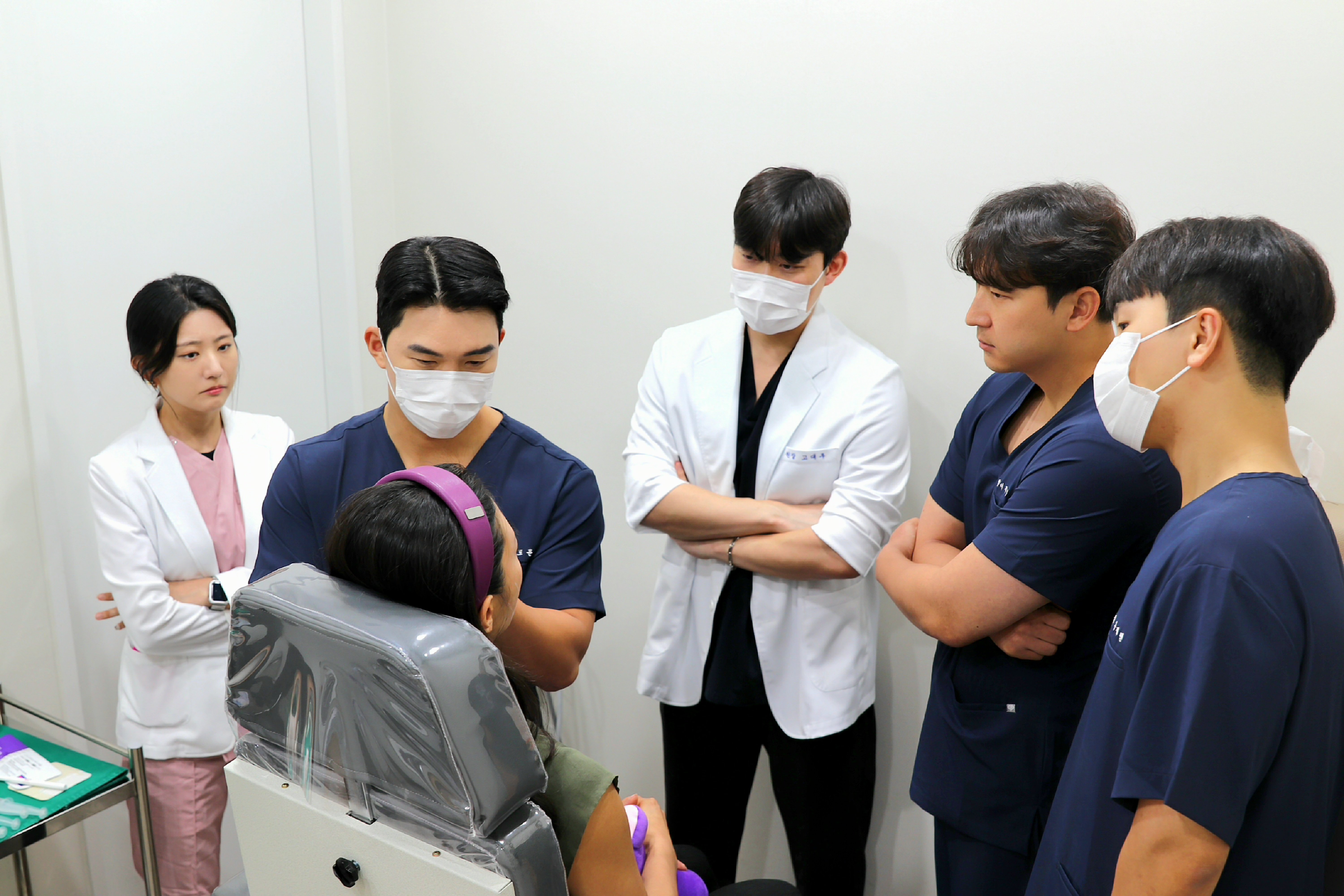
Ode Clinic’s care process includes a one-on-one consultation and treatment design, followed by re-consultation and a procedure in a private room. The treating doctor discusses your concerns and recommends a plan based on your individual condition. You can use this discussion to ask why a particular treatment is being considered, which areas would be treated, and whether an alternative would address your priorities differently.
It is reasonable to ask for a step-by-step explanation before agreeing to a procedure. For an injectable treatment, that might include the product, intended placement, and proposed quantity. For a device-based treatment, ask which areas are planned and what sensations or recovery to expect. You can also discuss how the clinic documents changes: Ode Clinic uses diagnostic photographs for before-and-after comparisons and offers follow-up consultations. Photographs can provide a useful reference when changes develop gradually, although the appearance of a result also depends on individual circumstances. If anything about the recommendation is unclear, ask the doctor to explain it in relation to your original goal. You do not need to decide on a treatment before understanding its purpose and practical implications.
A consultation should connect your priorities with a specific, understandable plan. Ask about the intended treatment area, likely timing, potential risks, and how the outcome will be reviewed.
Points to consider before treatment
Every procedure has considerations to discuss, including discomfort, recovery, and the possibility of an unwanted reaction. Injectable treatments can cause temporary redness, swelling, or bruising; nodules can also occur with collagen-stimulating products. Energy-based procedures can cause temporary redness or swelling, and burns or blistering are possible. The doctor can explain the risks relevant to the proposed treatment and your circumstances.
For filler injections, ask about uncommon but serious complications, including blockage of a blood vessel. If you experience severe or increasing pain, unusual skin discoloration, or a change in vision after an injection, seek urgent medical attention. Before any treatment, tell the doctor about previous reactions or procedures in the same area. Discuss what to expect immediately afterward and whom to contact if you are concerned. Follow the individualized aftercare instructions provided by the medical staff. Avoid assuming that the recovery guidance for an injectable procedure will be the same as guidance for a radiofrequency or ultrasound treatment. Understanding the warning signs and the follow-up plan is part of making an informed decision, even when the intended cosmetic change is modest.
Reviewing changes and planning follow-up
Some changes can be visible soon after treatment, while others develop gradually. The timing depends on the procedure and the individual. Rather than judging every treatment on the day of the appointment, ask when the doctor expects a meaningful review and whether additional visits are part of the proposed plan. Diagnostic photographs can help document changes in a consistent way alongside your own observations.
At follow-up, describe what you notice and whether it matches the goal discussed before treatment. If your main concern was a hollow, for example, explain how you feel about the contour rather than focusing only on whether the area looks fuller. If texture was the priority, discuss the specific area and change you wanted to assess. This feedback helps keep the conversation grounded in your original preferences.
Maintenance should also be considered individually. Some treatments are offered as a course, while others may be reviewed for future maintenance according to the treatment and your response. Before scheduling further care, ask what the next visit is intended to address and whether it is necessary for your goals. A thoughtful plan leaves room to reassess rather than assuming that every concern requires an additional procedure.



Frequently Asked Questions
Q.What does Ode Clinic offer for facial rejuvenation?
A.Ode Clinic provides dermatology care that includes facial volume treatments, lifting and tightening procedures, and skin boosters. The treating doctor conducts a one-on-one consultation and recommends care based on the patient’s condition and goals.
Q.Who might consider a consultation at Ode Clinic?
A.A consultation may be useful for someone concerned about facial volume, skin firmness, texture, or hydration. The doctor can assess the concern and discuss whether treatment is appropriate.
Q.How do Juvelook Skin and Juvelook Volume differ?
A.Juvelook Skin is a skin booster used for concerns such as texture and pores. Juvelook Volume is a collagen-stimulating treatment used for facial volume concerns, including sunken cheeks and the mid-face.
Q.How much does a volume treatment cost?
A.Listed prices include ₩600,000 for 2 cc of Hilowave and ₩490,000 for one vial of Juvelook Volume, excluding VAT. The recommended product and quantity depend on the treatment plan.
Q.Where is Ode Clinic, and how can I contact the clinic?
A.Ode Clinic is at 8F, Gyeongwon Building, 340 Gangnam-daero, Gangnam-gu, Seoul. For consultation or booking inquiries, call +82 2-569-0222.
Clinic Information
| Clinic | Ode Clinic |
|---|---|
| Specialty | Dermatology |
| Address | Seoul, Gangnam District, Gangnam-daero, 340 8F |
| Phone | +82 2-569-0222 |
| Website | https://odeclinicseoul.com/en |
 Ode Clinic