How a doctor personally handles consultations at Ode Clinic
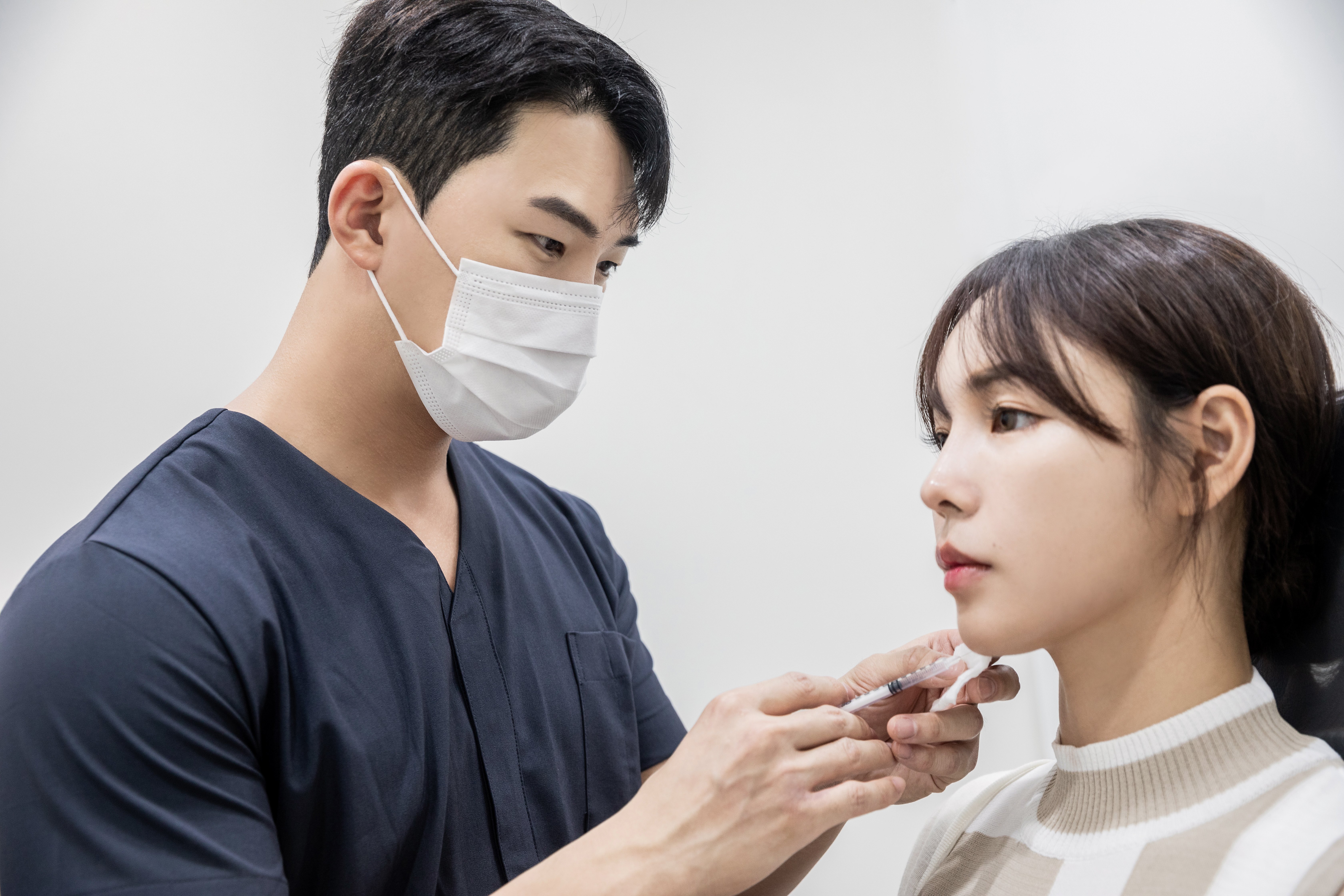
A consultation led by the doctor who performs the procedure connects assessment and treatment planning directly. At Ode Clinic, the doctor discusses the patient’s concerns, reviews the current condition, and considers whether a proposed procedure fits the person’s needs. This creates an opportunity to ask questions and clarify priorities before deciding on treatment. The consultation is part of the clinical decision-making process, not simply a step before booking. Recommendations are individualized rather than based on a single standard plan.
Starting with the patient’s concerns
People seek dermatology care for different reasons, and the same concern can mean different things to different patients. One person may focus on skin firmness, while another may prioritize texture or volume. The doctor begins by listening to what the patient wants to address and what matters most to them. Clear communication helps frame the discussion around the patient’s priorities, rather than assuming that a particular device or procedure is the answer.
The doctor also considers the patient’s current condition when discussing options. A treatment that suits one person may not suit someone with a different concern or starting point. Ode Clinic’s approach is to avoid uniform recommendations and to hear patient feedback throughout care. Patients can explain what they hope to change, ask questions about possible approaches, and discuss any concerns before proceeding. Making the goal clear is a practical first step toward a treatment plan that reflects the individual. It also helps ensure that the next conversation—about procedure choice and timing—addresses the right questions.
A useful consultation starts by understanding the patient, not by selecting a device. Direct discussion with the treating doctor helps connect the patient’s priorities with an individualized plan.
Discussing options and setting expectations
After understanding the patient’s concerns, the doctor can discuss relevant treatment options. Ode Clinic has equipment used for lifting and tightening, including Ultherapy, Thermage, EMFACE, XERF, Density, Onda, and Shurink, as well as Mirajet. The presence of multiple options allows the consultation to consider which approach may fit the patient’s needs. The purpose is to guide a decision, not to suggest that every option is appropriate for every person.
A treatment discussion should cover more than the name of a procedure. The patient and doctor can talk through the goal, the timing of results, the expected duration of effects, cost, and potential side effects. These factors can influence whether a treatment fits the patient’s preferences and circumstances. The doctor’s role is to explain the relevant considerations and help the patient understand the choice in context. Where a treatment is not a good match for the concern being discussed, the consultation can address other options instead. Changes may take time depending on individual condition, so expectations should be discussed in a clear and realistic way before treatment begins.
Keeping the plan individualized
Personalized care means that a consultation does not automatically lead to the same procedure or sequence for every patient. The doctor considers the concern, current condition, desired timing, and the patient’s own preferences. A plan may focus on a single treatment or involve a discussion of different options. Individualization is about matching the plan to the person, rather than applying a preset package.
Patients can also share feedback during the discussion and ask for clarification when details are unclear. Ode Clinic’s stated commitments include listening carefully to patients and working to maintain consistent care before and after procedures. This matters because a patient’s understanding and comfort with the plan are part of an informed decision. The doctor can explain what a procedure is intended to address and discuss relevant considerations without promising a particular outcome. The patient can then decide whether to proceed, ask further questions, or take time to consider the information.
What happens when a doctor personally handles consultations
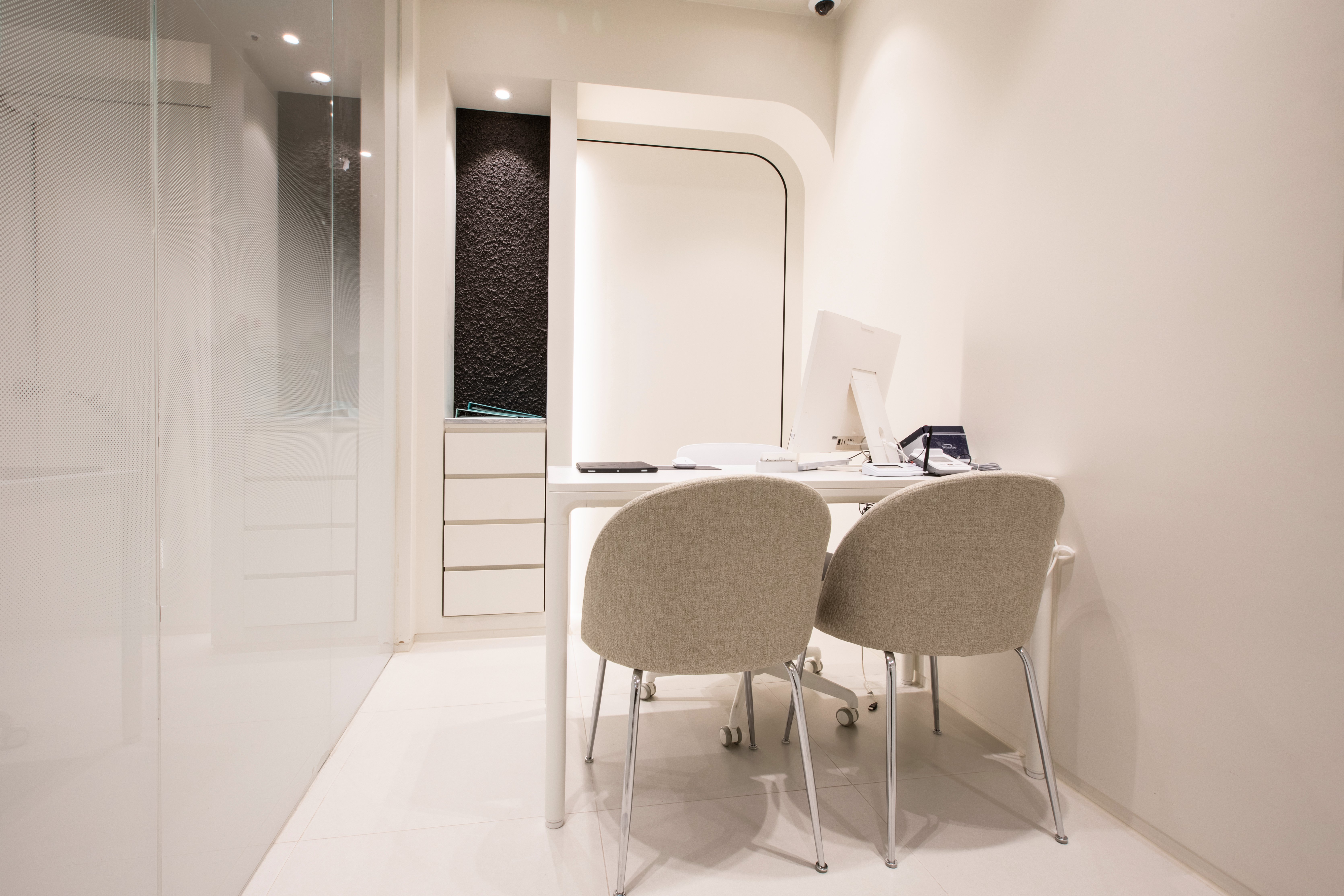
Direct consultation is one part of a structured visit at Ode Clinic. The process moves from arrival to a one-on-one consultation and design, followed by re-consultation, a procedure in a private room, customized care, and departure. These steps provide points to discuss the plan and confirm relevant details. The doctor’s involvement helps keep the treatment discussion connected to the procedure itself. Patients can use the consultation to understand the proposed approach and raise questions before treatment.
A visit with clear stages
A structured process can help patients understand what to expect during a visit. At Ode Clinic, the sequence includes arrival, a one-on-one consultation and design, re-consultation, a procedure in a private room, customized care, and departure. The consultation and design stage is where the patient’s concerns and treatment options are discussed. Re-consultation provides another opportunity to review the plan before the procedure. These stages make space for discussion rather than treating the first conversation as the only chance to ask questions.
The process is not a substitute for individualized assessment; it gives the visit a clear framework. The patient can discuss the concern, review the proposed plan, and raise questions before treatment. A private room is used for the procedure, followed by customized care. If a patient is unsure about a detail, it is reasonable to ask for an explanation before moving on to the next stage. This helps keep the patient informed about what is planned and why. The exact discussion depends on the individual treatment being considered, so the doctor’s assessment remains central to the visit.
| Visit stage | What it involves |
|---|---|
| Arrival | Beginning the clinic visit |
| One-on-one consultation and design | Discussing concerns and planning an individualized approach |
| Re-consultation | Reviewing the plan before the procedure |
| Private room procedure | Receiving the planned procedure in a private room |
| Customized care | Care tailored to the treatment and patient |
| Departure | Completing the visit |
Using consultation to compare treatment approaches
Ode Clinic’s equipment includes options for lifting and tightening, alongside other treatment devices. During consultation, the doctor can consider the patient’s goals and current condition when discussing the relevant approach. A device name alone does not determine whether a treatment is suitable. The patient’s concern and the purpose of treatment should guide the comparison.
Patients may find it helpful to describe what they want to address in practical terms, such as whether their main concern is firmness, sagging, texture, or volume. The doctor can then explain which options are relevant and how the discussion relates to the patient’s condition. The consultation can also cover timing, duration of effects, cost, and potential side effects, helping the patient compare considerations rather than focusing only on a device label. No single treatment is presented as the right choice for everyone. The aim is to make the reasoning behind a recommendation understandable, so the patient can make a considered decision with the doctor.
Making room for questions and feedback
Questions are a normal part of a medical consultation. Patients can ask what a suggested procedure is intended to address, what factors were considered, and what points they should weigh before deciding. Ode Clinic’s stated approach includes listening to patient feedback and working to provide consistent care before and after procedures. Speaking up about preferences or concerns helps the doctor understand what matters to the patient.
Feedback can be especially useful when a patient is weighing several priorities, such as treatment timing and the type of change they want to address. Patients do not need to arrive with a fully formed treatment decision. The consultation is an opportunity to discuss the options and clarify the plan. If a point remains unclear, asking the doctor to explain it in simpler terms can make the decision easier to follow. The purpose is not to rush a patient toward treatment; it is to support an informed conversation that reflects the patient’s needs and the doctor’s assessment.
Preparing for a doctor-personally-handled consultation
Patients do not need specialist knowledge to take part in a consultation. It can help to think about the concern they want to discuss, what outcome matters to them, and any questions they want answered. At Ode Clinic, the doctor’s consultation considers the patient’s needs alongside treatment timing, duration of effects, cost, and potential side effects. Preparation is mainly about sharing accurate priorities and asking for the information needed to make a decision.
Bring a clear description of your priorities
Before visiting, consider how you would describe your main concern in your own words. You might identify the area or quality you want to discuss and explain what you hope to understand from the appointment. It is also useful to note questions about a proposed procedure, including its purpose and the considerations involved. You do not have to choose a treatment before speaking with the doctor.
Being clear about priorities helps the consultation stay focused. For example, a patient may want to compare different approaches or understand how treatment timing fits their circumstances. The doctor can use that information when discussing suitable options and the factors involved. Patients can also share concerns about the procedure itself and ask for clarification when needed. A conversation is more useful when both the goal and the questions are explicit. The doctor can then respond to the issues that matter to the patient, rather than relying on assumptions about what they want.
Preparation does not mean arriving with a diagnosis or a treatment already selected. A clear account of your concerns and questions gives the doctor a better basis for discussing an individualized plan.
Understanding the factors in a treatment decision
A treatment choice involves more than whether a device is available. Ode Clinic’s consultation approach considers the patient’s needs, timing of results, duration of effects, cost, and potential side effects. These points help frame the conversation around both the clinical plan and the patient’s preferences. Ask about the factors that matter most to you before deciding.
Patients can use the discussion to understand what a treatment is intended to address and how it relates to their concern. They can also ask about timing and how long effects may last, as well as cost and potential side effects. These topics are considered as part of the treatment recommendation, but the details depend on the procedure and individual assessment. A careful discussion avoids treating an expected result as a guarantee. If a patient needs more time to consider a recommendation, that can be raised during the consultation. The decision should follow an understanding of the relevant information and the patient’s own priorities.
Practical details for visiting
Ode Clinic is at 8F, Gyeongwon Building, 340 Gangnam-daero, Gangnam-gu, Seoul, Yeoksam-dong, Korea. The clinic is open Monday through Friday from 11:30 AM to 8:30 PM and Saturday through Sunday from 10:00 AM to 4:00 PM, with no lunch break. Patients can call +82 2-569-0222 for consultation and visit inquiries.
When contacting the clinic, patients can explain that they would like to discuss a dermatology concern and ask about arranging a visit. It is helpful to have a clear idea of the topic they wish to raise, although a treatment decision is not required in advance. During the appointment, the doctor can discuss the patient’s condition, relevant options, and considerations for care. A direct consultation gives patients a chance to discuss their needs with the doctor who performs the procedure.



Clinic Information
| Clinic | Ode Clinic |
|---|---|
| Specialty | Dermatology |
| Address | Seoul, Gangnam District, Gangnam-daero, 340 8F |
| Phone | +82 2-569-0222 |
| Website | https://odeclinicseoul.com/en |
 Ode Clinic