
How a personalized XERF approach starts at ODE Clinic
A XERF treatment plan should begin with a conversation about the concern being addressed, not simply a device setting or shot count. At ODE Clinic, the medical director consults with the patient to discuss treatment design, followed by a re-consultation to finalize the plan. This gives patients an opportunity to clarify their priorities before proceeding. The purpose of personalization is to align the treatment plan with the individual’s condition and needs, rather than use a uniform approach.
Consultation before treatment design
The first consultation is an opportunity to explain what you hope to address and ask how XERF may fit your goals. ODE Clinic’s process includes a one-on-one consultation and design with the medical director. This conversation helps establish the treatment plan before the procedure begins. Clear communication matters: share relevant concerns and make sure you understand the proposed approach before deciding whether to proceed.
Skin condition and treatment priorities differ from person to person, so the consultation should address the individual rather than rely on a preset plan. At ODE Clinic, the medical director discusses the treatment design directly with the patient, and a re-consultation follows to finalize the plan. This second discussion gives both sides a chance to review the details and address questions. Patients should feel able to ask for clarification before treatment, including what the procedure is intended to address and what to expect from the clinic’s process. The aim is to make the plan understandable and suited to the person being treated, rather than assuming that the same approach fits everyone.
A useful XERF plan starts with a direct discussion of the patient’s needs and a clear treatment design. At ODE Clinic, a follow-up consultation is part of the process, so the plan can be reviewed before treatment begins.
Why a re-consultation is part of the process
A re-consultation creates a deliberate step between the initial discussion and treatment. It allows the patient and medical director to revisit the proposed plan and finalize it in more detail. This is especially useful when a patient wants to confirm the treatment design or discuss questions that arose after the first conversation. The procedure follows only after this planning stage.
Medical treatments should not be treated as interchangeable options selected from a menu without discussion. The clinic’s approach is to listen to patient feedback and provide care tailored to each individual. The re-consultation supports that approach by making room to confirm the plan before moving to the procedure. It also gives the patient a clearer understanding of what has been agreed upon. Being informed is part of making a considered treatment decision. If the plan is unclear, use this step to ask the medical director to explain it in accessible terms. The goal is a shared understanding of the treatment design, not pressure to proceed.
What the XERF treatment involves
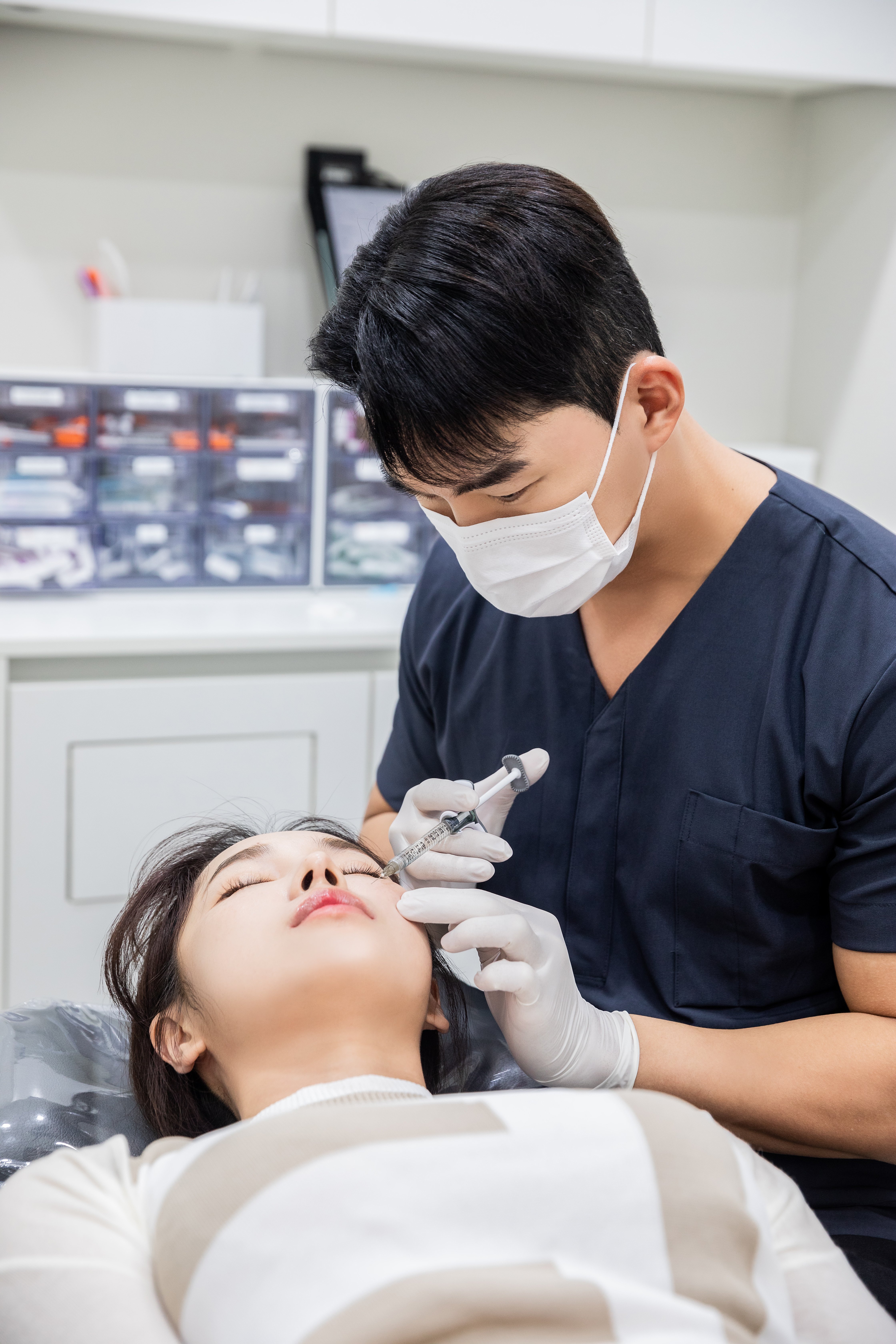
XERF uses dual radiofrequency frequencies of 6.78 MHz and 2 MHz. ODE Clinic performs its XERF treatment in DEEP MODE, a protocol described by the clinic as its approach to delivering energy to deeper layers. Treatment suitability and design should be discussed individually with the medical director before proceeding.
ODE Clinic describes XERF as a lifting treatment, and the clinic’s DEEP MODE approach focuses on deeper tissue layers. The clinic also notes that the treatment’s cooling system is intended to minimize discomfort and downtime. As with any procedure, the experience and response can vary between individuals. A consultation is the appropriate place to discuss how the treatment relates to your concerns and whether it fits your situation. Do not rely on a general description alone to determine whether XERF is appropriate for you. Ask the medical director to explain the proposed treatment and the care process before making a decision.
What a personalized XERF approach looks like on treatment day
At ODE Clinic, the patient pathway is organized into six steps: arrival, one-on-one consultation and design, re-consultation, treatment in a private room, customized care, and departure. This structure connects planning with the procedure and follow-up care. Knowing the sequence can help patients understand what happens on the day of treatment and where they can raise questions. Private-room treatment and personalized care are part of the clinic’s stated process.
From arrival to a finalized plan
The process begins with arrival at the clinic, followed by a one-on-one consultation and treatment design with the medical director. A re-consultation then helps finalize the plan through a detailed follow-up discussion. These stages are intended to make the treatment plan specific to the patient rather than uniform. Patients can use the discussion to communicate their priorities and ensure they understand the plan before moving forward.
Planning is not limited to identifying a treatment. It also involves listening to the patient and confirming the proposed approach in a way that is clear to both patient and medical staff. ODE Clinic states that it aims to hear even small concerns, improve its care and services, and maintain a consistent commitment before and after procedures. These principles support the consultation and re-consultation stages. Arriving with questions can make the conversation more focused. Consider explaining what matters most to you and asking for clarification about any part of the treatment design you do not understand. A plan should be discussed before the procedure begins.
The clinic’s treatment-day sequence places consultation and plan confirmation before the procedure. This helps patients understand the proposed approach and gives them a defined opportunity to discuss questions before treatment.
Private-room treatment and customized care
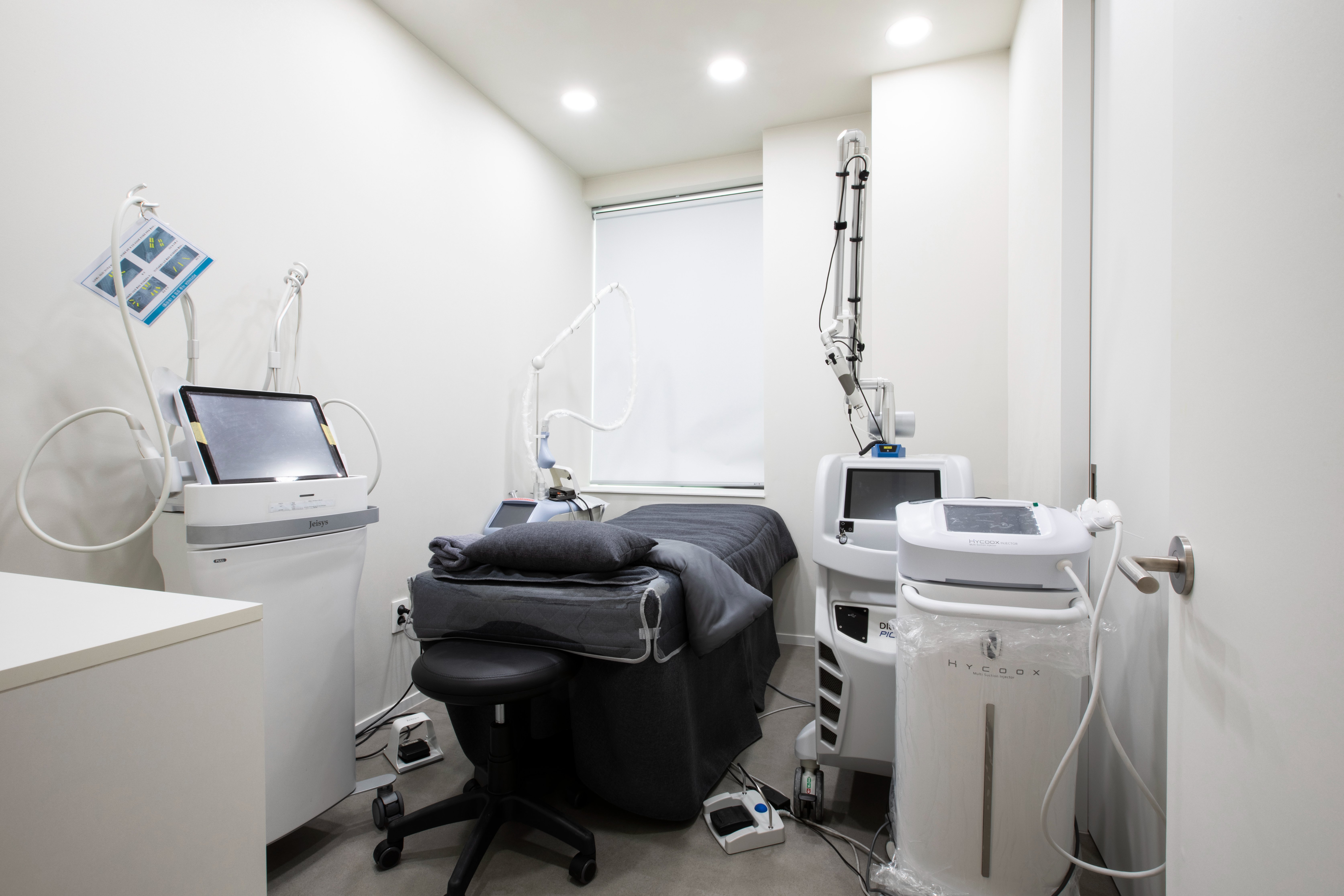
After the treatment plan is finalized, the procedure is conducted in a private, single-person room. The clinic then provides customized post-procedure care before the patient departs. These steps form part of ODE Clinic’s six-stage process, from arrival through departure. Patients who have questions about their own care can raise them with the medical staff during their visit.
A private room offers a dedicated setting for the procedure, while customized care makes post-procedure management part of the treatment pathway rather than an afterthought. ODE Clinic’s stated approach emphasizes individual care and a consistent attitude before and after treatment. These are process commitments; they should not be interpreted as a guarantee of a particular result. Every patient’s condition and response are individual, so post-procedure guidance should be discussed with the clinic. Follow the instructions given for your own treatment, and contact the clinic if you need clarification about your care after leaving. This keeps advice tied to the procedure you received.
Preparing to have a useful visit
Before visiting, consider the skin concerns you want to discuss and note any questions about XERF, the treatment design, or post-procedure care. Be ready to describe your priorities in your own words. The clinic’s consultation and re-consultation are intended to support a detailed discussion before treatment, so preparation can help you use that time effectively.
It can also be helpful to ask how the proposed approach relates to your personal goals and what the treatment-day sequence will involve. Avoid assuming that a procedure is suitable solely because it is discussed online or selected by another person. The medical director’s consultation is where the treatment design can be considered in relation to your situation. Make sure your questions are answered before agreeing to proceed. After treatment, listen to the customized care guidance provided by the medical staff and ask for clarification if any instruction is unclear. This supports a more informed and organized visit without assuming a specific outcome.
Choosing a personalized XERF approach with ODE Clinic
Choosing a treatment involves more than comparing devices or asking for a particular procedure by name. The patient should understand the proposed plan, the consultation process, and the clinic’s approach to care. ODE Clinic emphasizes individualized treatment, attentive listening, ongoing service improvement, and consistent care before and after procedures. These commitments provide a practical framework for discussing XERF with the medical director in Seoul.
Individual needs instead of a uniform plan
ODE Clinic’s stated approach is to provide care suited to each individual rather than use one treatment plan for everyone. For XERF, this begins with a one-on-one consultation and design, followed by a re-consultation to finalize the plan. The patient’s concerns and questions are part of that conversation. The treatment plan should be discussed before the procedure, not assumed in advance.
Personalized care also depends on listening. ODE Clinic’s commitments include paying attention to patient feedback and continuing to improve its services. This means patients should feel able to explain their priorities and ask about the treatment design in clear terms. A useful consultation is not simply a presentation of a procedure; it is a chance to understand how the proposed approach relates to the individual. Treatment recommendations should be considered through that discussion, with the patient’s needs at the center. Changes may take time depending on individual condition, and a consultation cannot guarantee a specific result. The medical staff can explain the process and the care provided at the clinic, helping patients make an informed decision about whether to proceed.
Personalization is reflected in both the treatment plan and the way patient feedback is handled. Discuss your concerns directly, confirm the plan through the follow-up consultation, and make a decision once you understand the proposed care.
Consistency before and after the procedure
ODE Clinic’s four commitments include maintaining consistent care before and after procedures. For XERF, the stated pathway includes consultation, treatment in a private room, and customized post-procedure management. This continuity helps patients know that the clinic’s process includes more than the procedure itself and provides a point to raise questions about care.
Post-procedure management should be understood as part of the clinic’s treatment pathway, not as a promise that every patient will have the same experience. The clinic describes its aim as providing individualized care and listening to patients throughout their visit. If you have concerns after treatment, use the guidance provided by the medical staff and contact the clinic for clarification. Keep your aftercare questions specific to the procedure and instructions you received. This makes it easier to address your situation accurately. A thoughtful process combines clear planning beforehand with appropriate communication afterward, while recognizing that individual responses can differ.
Location and consultation details
ODE Clinic is located at Seoul, Gangnam District, Gangnam-daero, 340 8F. The clinic’s phone number is +82 2-569-0222. Patients can contact the clinic to ask about arranging a consultation and to discuss the visit before coming in. A direct conversation can help clarify the consultation and treatment-planning process.
When contacting the clinic, describe that you would like to discuss XERF and ask about the consultation process. You can also prepare questions about treatment design, the private-room procedure, and customized post-procedure care. Appointment details and individual treatment decisions should be discussed directly with ODE Clinic. Use the consultation to understand the plan before deciding whether to proceed. The clinic’s address and phone number provide the practical details needed to make an inquiry or plan a visit.



Clinic Information
| Clinic | Ode Clinic |
|---|---|
| Specialty | Dermatology |
| Address | Seoul, Gangnam District, Gangnam-daero, 340 8F |
| Phone | +82 2-569-0222 |
| Website | https://odeclinicseoul.com/en |
 Ode Clinic